- contact@phscameroun.com
- Iut ndogbong, douala - cameroun

Bifacial Solar Panels: More Power, Greater Efficiency
07
Jan
Bifacial solar panels generate electricity from both sides, capturing sunlight directly hitting the front and reflecting light from the back. Unlike traditional monofacial panels, which only absorb energy from one side, these advanced modules make better use of available sunlight, increasing energy production.
The evolution of bifacial panels started with improvements in solar cell technology. Early silicon-based cells could only harvest sunlight from one direction, limiting their efficiency. With advancements in photovoltaic (PV) materials and manufacturing techniques, bifacial cells now utilize transparent back sheets or double-glass designs, allowing light to pass through and reflect onto the rear side. Manufacturers optimized panel frames and mounting systems as module designs improved to maximize rear-side exposure.
The benefits of bifacial panels go beyond higher energy yields. Their increased efficiency leads to a lower levelized cost of electricity (LCOE), making solar energy more affordable. Durability also improves, with tempered glass protecting both sides from environmental factors. Bifacial panels perform exceptionally in reflective environments, such as snow-covered or light-colored surfaces, further enhancing power generation.
Why Bifacial Solar Panels Make Sense for Homeowners
Enhancing Energy Production on Your Rooftop or Ground Installation
Bifacial solar panels generate electricity from both sides, using direct sunlight on the front and reflected light on the back. This increases overall energy output compared to traditional monofacial panels. A highly reflective surface, such as a white roof or light-colored ground cover, maximizes the additional energy the rear side captures.
Under optimal conditions, bifacial panels can produce 5% to 30% more energy than conventional panels. A study by the National Renewable Energy Laboratory (NREL) found that a bifacial system with a high-albedo surface reflected up to 27% more sunlight to the rear side, significantly boosting performance. This increased efficiency can make a difference for homeowners looking to maximize power generation in limited roof space.
- Rooftop Installations: The amount of reflected light varies depending on the roof’s material and color. White thermoplastic roofs enhance bifacial performance, while dark shingles absorb more light, limiting reflectivity.
- Ground-Mounted Systems: Elevated bifacial panels over grass, gravel, or snow-covered surfaces enable more rear-side energy absorption. Studies show that bifacial panels installed with a tilt and at least 12 inches of ground clearance capture substantially higher reflected light.
Aesthetic Benefits: Integrating Panels with Home Design
Bifacial solar panels feature a glass-on-glass design that enhances their appearance compared to the opaque back sheet seen in traditional panels. Homeowners who prioritize aesthetics will appreciate how these panels seamlessly blend with architectural elements, especially in pergolas, carports, and balcony installations.
- Modern, Sleek Look: This design eliminates bulky components, offering a polished and sophisticated visual appeal.
- More Transparency: Some bifacial modules allow light to pass through, creating a semi-transparent effect that works well for solar canopies and patios.
Integrating bifacial panels into residential applications not only boosts energy production but also enhances the overall aesthetic of a home. With a combination of efficiency and design flexibility, they provide both functional and visual advantages.
Efficiency and Performance Comparison to Traditional Solar Panels
Solar Panel Efficiency: Why It Matters
Higher efficiency translates to more energy generation per square foot. In residential solar installations, fewer panels are required to meet electricity needs. Efficiency also dictates performance in low-light conditions, directly impacting energy yield over time.
Traditional monofacial panels capture sunlight only from the front side, limiting their energy conversion rate. Most high-quality monofacial panels operate with 18% and 22% efficiency ratings, depending on the manufacturer and cell technology. Bifacial solar panels, on the other hand, absorb sunlight from both the front and rear surfaces. This dual-sided absorption increases total energy production without expanding the panel’s footprint.
Bifacial vs. Traditional: A Direct Comparison
- Energy Yield: Bifacial panels generate 5% to 20% more energy than monofacial counterparts, depending on surface albedo and installation tilt. A reflective surface beneath the array—like a white rooftop or light-colored ground—amplifies energy gains even further.
- Performance in Diffuse Light: Unlike traditional panels that rely solely on direct sunlight, bifacial designs utilize reflected and scattered light, producing more power on cloudy days or during early morning and late afternoon hours.
- Degradation Rate: Leading monofacial panels degrade at an average rate of 0.5% annually. High-quality bifacial panels show similar or slightly lower degradation, maintaining strong performance levels over a 25-to-30-year lifespan.
- Temperature Coefficient: Heat reduces solar panel efficiency. Many bifacial models use advanced N-type silicon cells, which exhibit lower power losses at high temperatures compared to P-type cells commonly found in monofacial panels.
Installation Insights
Energy gains from bifacial panels depend on how they are installed. Elevated mounting structures optimize rear-side light capture. Tilting the panels and using high-reflectivity surfaces beneath them in ground-mounted systems enhances performance. Roof installations require strategic spacing and mounting techniques to maximize reflected light exposure.
Traditional panels follow a more standardized installation approach. When oriented correctly, they perform efficiently on pitched roofs but lack the advantages of dual-sided energy absorption. In contrast, bifacial systems offer flexibility in placement, making them well-suited for pergolas, carports, and awnings in addition to conventional rooftop installations.
Installation and Mounting Considerations for Bifacial Solar Panels
The Do’s and Don’ts of Bifacial Solar Panel Installation
Installing bifacial solar panels requires a different approach than conventional monofacial panels. Their unique ability to capture sunlight from both sides makes placement and mounting critical to maximizing output. Proper installation enhances performance, while common mistakes can reduce efficiency.
- Do: Install panels with a sufficient gap between the mounting surface and the panel’s backside to allow reflected light to reach the rear side.
- Do: Choose light-colored or highly reflective ground surfaces, such as white gravel or a specialized reflective coating, to increase rear-side energy capture.
- Do: Use racking systems designed for bifacial panels that minimize shading from structural components like rails and clips.
- Don’t: Mount panels directly onto dark or non-reflective surfaces like asphalt rooftops, which reduce rear-side energy absorption.
- Don’t: Install them in areas with excessive obstructions, such as chimneys or parapet walls, which cast shadows and diminish performance.
- Don’t: Use traditional back sheet-mounted racking systems that limit exposure to reflected light.
Ensuring Optimal Orientation and Sunlight Requirements
Proper orientation and tilt angles directly influence bifacial module efficiency. Unlike traditional panels, bifacial models generate power from rear-side irradiation, making strategic placement even more significant.
- Altitude Adjustment: Elevating panels 12 to 24 inches above the roof or ground allows more diffused and reflected light to reach the back.
- Tilt Optimization: South-facing orientation in the Northern Hemisphere maximizes exposure, but a steeper tilt may enhance rear-side gains under certain conditions.
- Tracking Systems: Single-axis trackers increase energy yield by up to 35% by following the sun’s path, making them suitable for bifacial installations.
- Spacing Considerations: More spacing between rows prevents inter-row shading, especially for ground-mounted arrays, supporting higher rear-side gains.
Rooftop installations differ from ground-mounted bifacial arrays. Ground-mounted systems allow greater flexibility in surface reflectivity optimization, while rooftop systems benefit from carefully selected mounting structures that minimize obstructions. Assessing site-specific conditions ensures the panels operate at peak efficiency.
Bifacial Panels and the Modern Home
Bifacial solar panels combine cutting-edge technology with sleek aesthetics, allowing homeowners to generate energy without disrupting architectural harmony. These panels capture sunlight from both sides, reducing reliance on visible surface area alone. This dual-sided absorption provides more flexible placement, making them a preferred choice for modern home designs.
The clean lines and frameless or semi-frameless designs of bifacial panels integrate seamlessly with contemporary roofs, pergolas, and solar awnings. Unlike traditional monofacial panels, which often contrast sharply against roofing materials, bifacial panels provide a more refined and sophisticated appearance. Their transparency and glass construction allows natural light to filter through certain installations, contributing to open and airy spaces.
Case Studies: Beauty and Efficiency in Residential Installations
Several homeowners have successfully incorporated bifacial solar panels into their properties, proving that efficiency and design can go hand in hand.
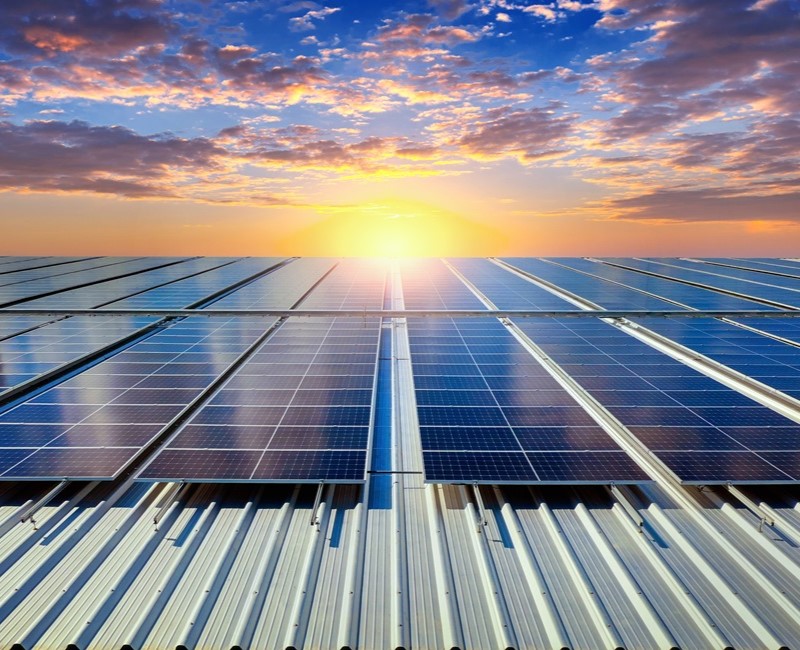
- Minimalist Roof Integration: A residence in Austin, Texas, features a bifacial solar panel array mounted on a standing-seam metal roof. The roof’s reflective properties enhance backside energy generation while maintaining a streamlined visual appeal.
- Solar Pergolas as Architectural Highlights: A home in Denver, Colorado, uses bifacial panels to construct a solar pergola. This structure provides shade while allowing natural light to filter through, creating a functional and elegant outdoor space.
- Glass Balcony Railings with Energy Generation: In Los Angeles, California, a homeowner replaced traditional glass balcony railings with bifacial solar panels. This installation utilizes otherwise untapped vertical space while preserving an open aesthetic.
These examples illustrate how bifacial panels elevate a home’s architectural character while optimizing energy production. By embracing these installations, homeowners achieve sustainability without sacrificing style.